Find Top Assisted Living Facilities in Miami, FL
Browse and compare 60 assisted living facilities in Miami, FL. View community profiles, review amenities, services, and care levels, and find a community that supports your loved one’s daily needs and lifestyle.

Top Facilities


Caroline O. says "It is a very cozy, homey, environment. They take great effort in caring for each individual patients needs. They tailor interactions with each...

Health United
1031 Ives Dairy Road Suite 228 Miami, FL

Elizabeth J says "We love the service and will Definitely recommend others to go with this home health company!"
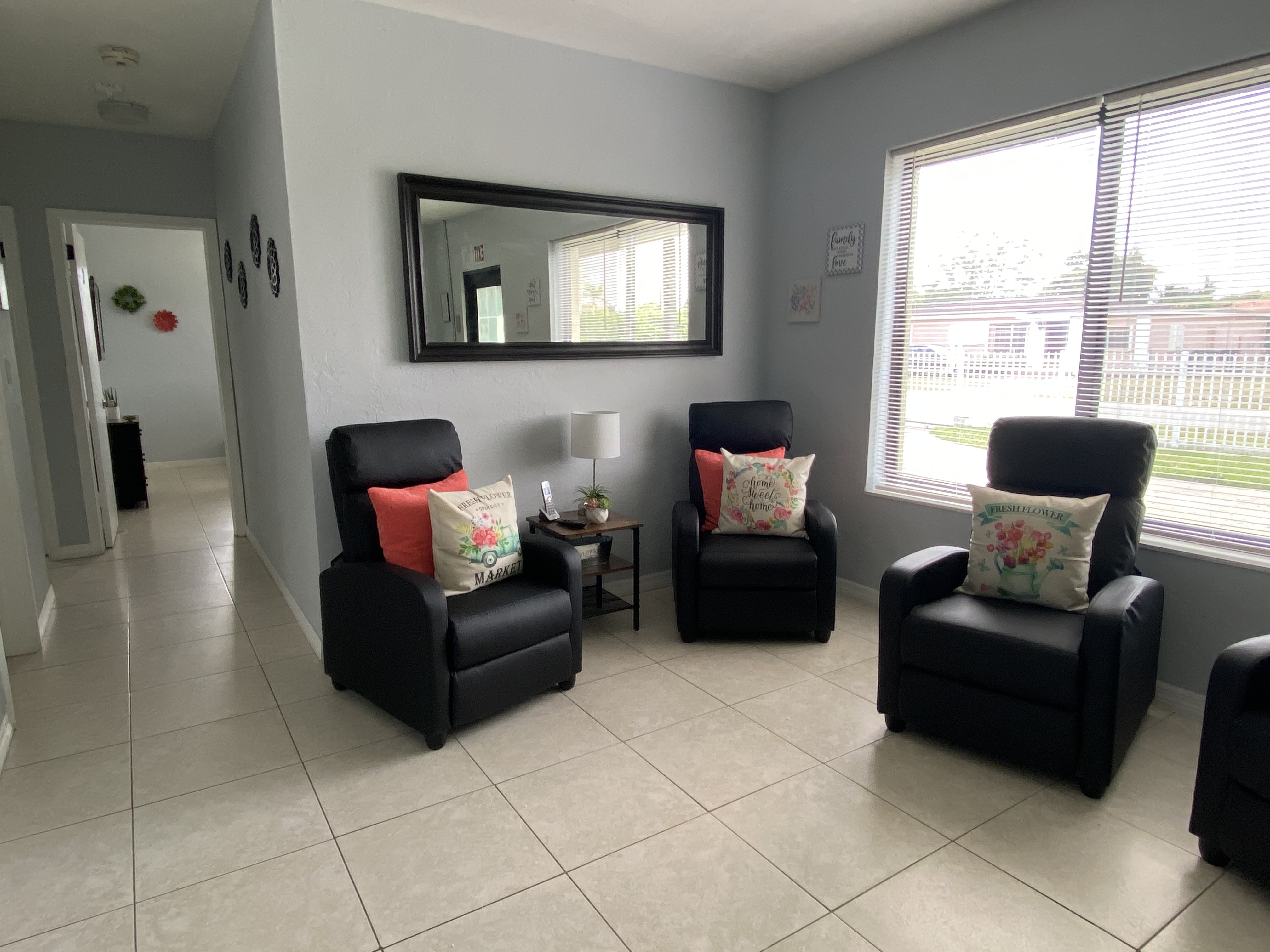
Vita Care Group
7761 SW 34th Ter Miami, FL
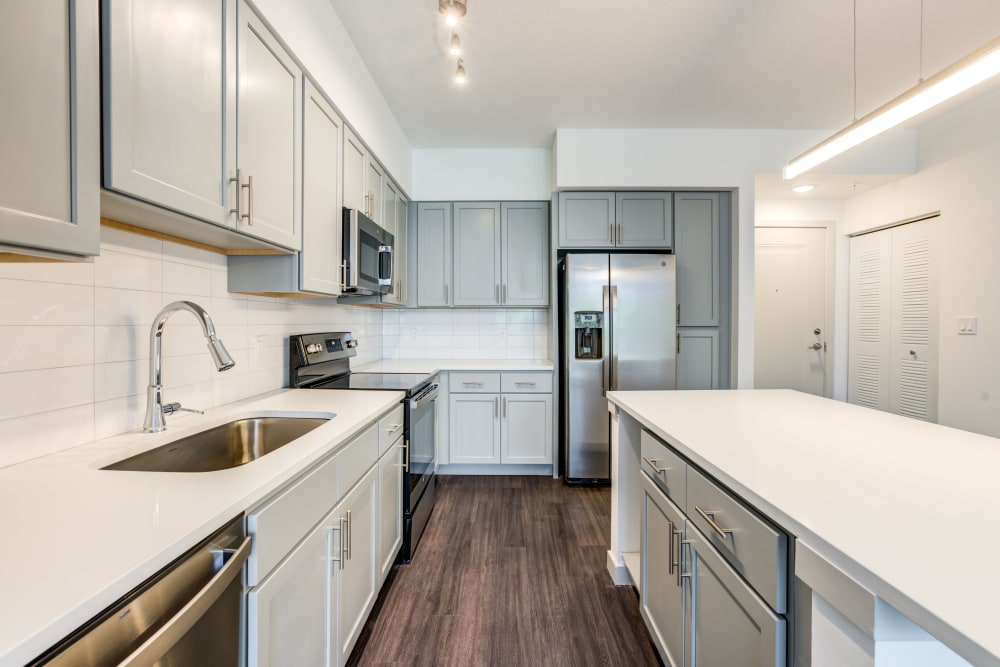
UpsideHōM at Ludlam Point
6880 SW 44TH ST MIAMI, FL
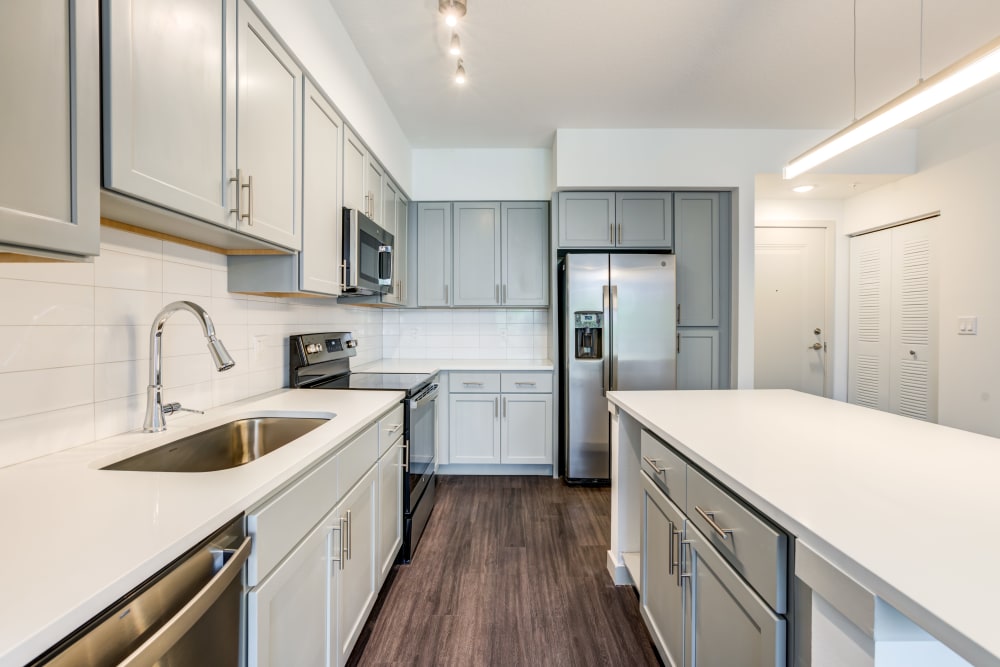
UpsideHōM at Lago Paradiso at Hammocks
15000 SW 104TH ST MIAMI, FL
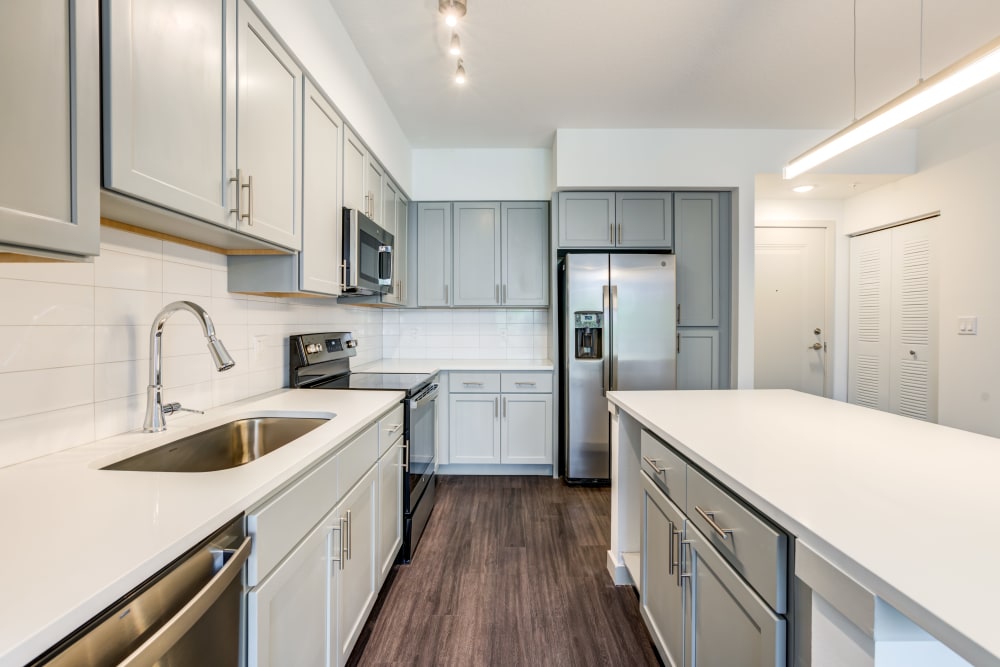
UpsideHōM at Advenir at University Park
10495 SW 14TH TER MIAMI, FL
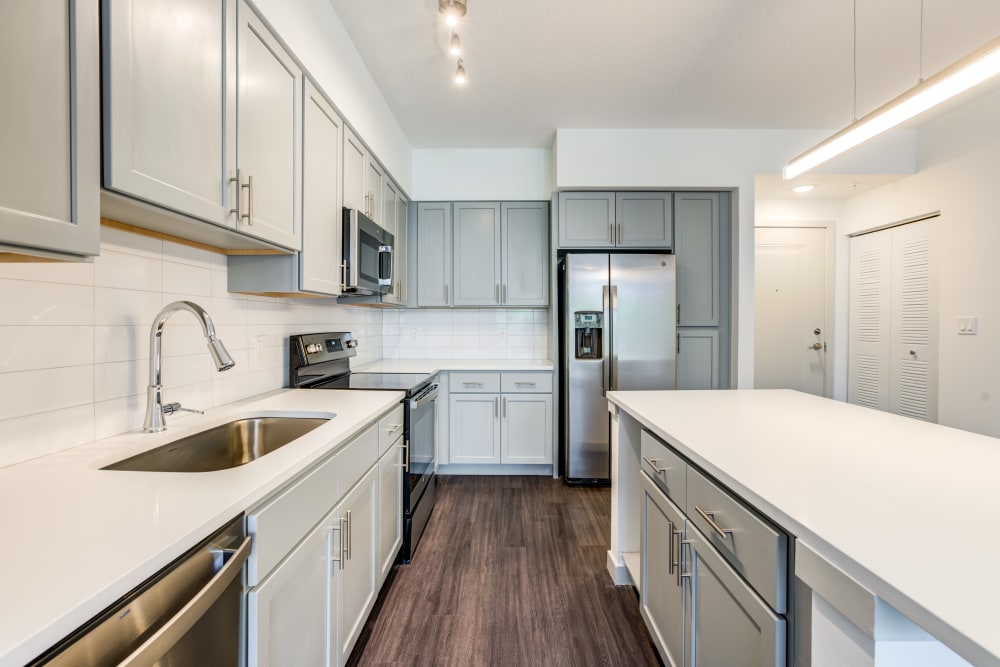
UpsideHōM at The Stratford
9051 SW 122ND AVE MIAMI, FL

UpsideHōM at District West Gables
2001 LUDLAM RD MIAMI, FL
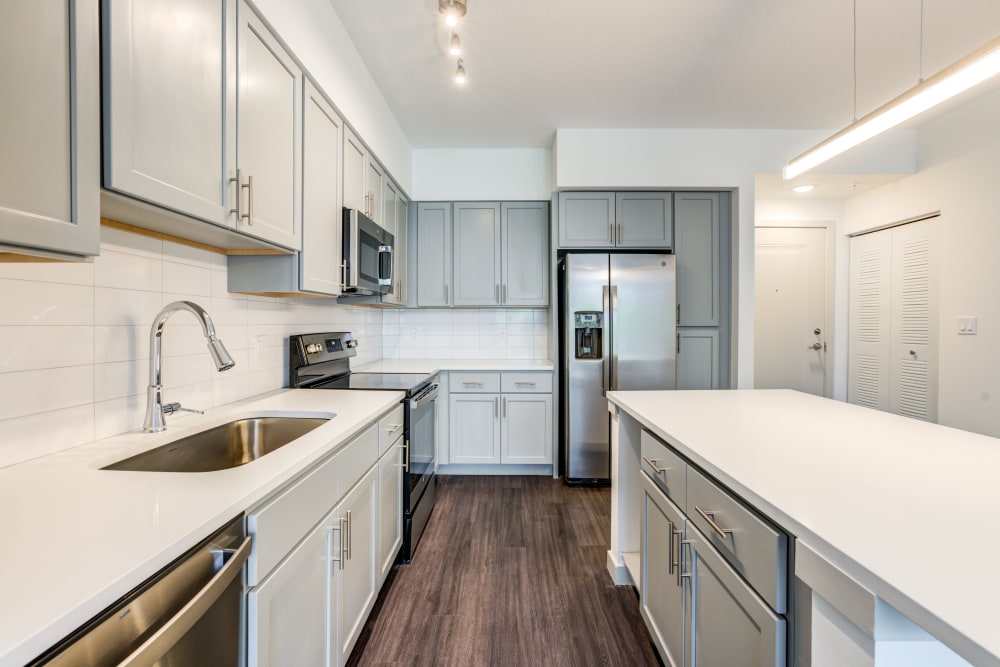
UpsideHōM at Advenir at Biscayne Shores
12016 NE 16TH AVE MIAMI, FL

UpsideHōM at Milagro Coral Gables
2263 SW 37TH AVE MIAMI, FL

UpsideHōM at Miro Brickell
255 SW 11TH ST MIAMI, FL
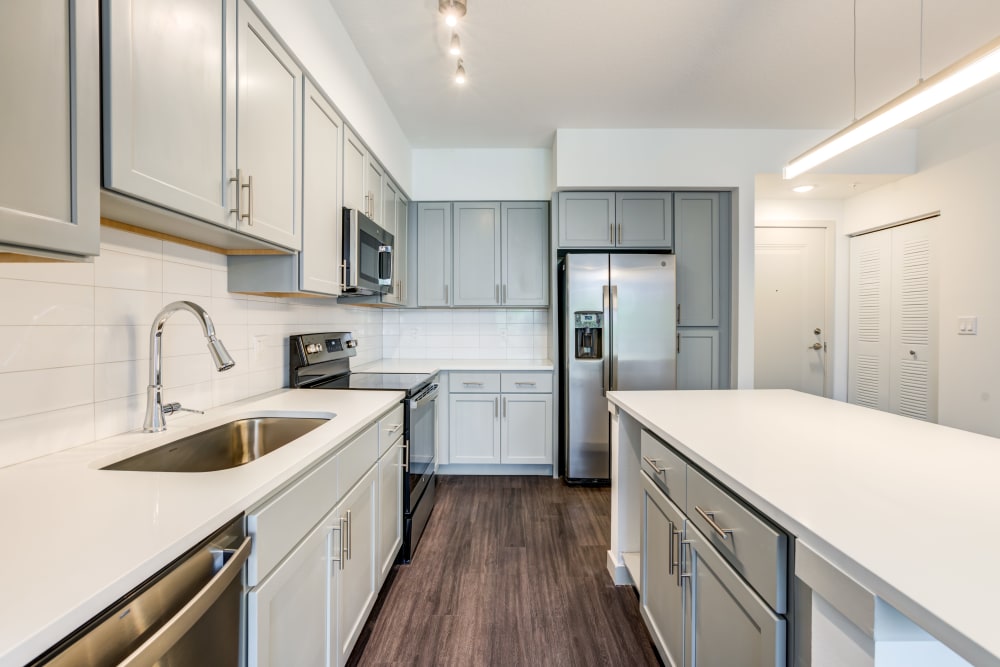
UpsideHōM at Azura
12755 SW 136TH ST MIAMI, FL

Prestige Care Aventura Assisted Living Facility (ALF)
19840 NE 26TH AVE MIAMI, FL

15560 NE 5th Ct
15560 NE 5TH CT MIAMI, FL

West Miami Adult Living Facility, Inc.
7215 SW 21ST ST MIAMI, FL

Mirabelle
7400 SW 88th St Miami, FL

Seasons Gardens
17250 SW 137TH AVE MIAMI, FL

Sylvias Senior Home
23025 SW 120TH AVE MIAMI, FL

Casa de Paz
9360 SW 24TH ST MIAMI, FL
Showing 1 - 20 of 60
How it works
Share details about your daycare needs
Match with highly rated local daycares near you
Compare daycares and tour the ones that best fit your family
Common questions families ask about assisted living in Miami, FL
How much does assisted living cost in Miami, FL?
The cost of assisted living in Miami, FL can vary depending on the community, the level of support a resident needs, and the services included in their care plan. Monthly fees typically cover housing, meals, personal care assistance, housekeeping, and access to activities or wellness programs. Costs may be higher for residents who require help with daily routines, medication management, or specialized memory care. To get a sense of typical pricing across the country, you can review assisted living costs by state. Individual communities in Miami, FL can provide detailed information about their monthly rates, what’s included, and any additional service fees.
What services are typically included in assisted living in Miami, FL?
Assisted living communities in Miami, FL generally provide a combination of housing, daily support, and social programming designed to help residents maintain independence while receiving the help they need. Most communities include assistance with activities of daily living, such as bathing, dressing, mobility, and medication reminders, along with meals, housekeeping, and transportation. Many also offer life enrichment programs, wellness activities, and on-site staff available around the clock for added peace of mind. The specific level of care and amenities can vary by community, so it’s helpful to review how different places structure their support. A deeper look at common services can be found in our overview of assisted living services.
Does insurance, Medicare, or Medicaid cover assisted living in Miami, FL?
Coverage for assisted living in Miami, FL varies depending on the type of insurance. Medicare typically does not cover the room-and-board portion of assisted living because it’s considered non-medical care, though certain health-related services may be covered separately. Some families use long-term care insurance to help offset costs, depending on the policy’s requirements and benefit limits. Medicaid may offer support in specific situations through state programs or waivers that help with services provided in assisted living communities. The availability and eligibility standards differ by state. You can explore how Medicaid coverage for assisted living works as well as broader considerations around assisted living insurance to understand potential options for your family.
How is assisted living in Miami different from home care or other senior living options?
Assisted living provides a structured community setting where residents receive help with daily tasks such as bathing, dressing, meals, and medication reminders, along with social activities and on-site staff support. Home care, on the other hand, delivers one-on-one assistance in a senior’s own home and can be tailored for those who prefer to remain in a familiar environment. Other senior living options, such as independent living or memory care, offer varying levels of support depending on a person’s needs. Families often compare factors like independence, cost, and the level of daily assistance required when deciding between options such as assisted living vs. in-home senior care.
How do I talk to my parent about moving to assisted living?
Starting a conversation about assisted living can be emotional, but approaching it with empathy and openness can make the process feel less overwhelming. Many families begin by discussing daily challenges their parent may be experiencing, such as managing medications, preparing meals, or staying socially connected. It can help to focus on how assisted living communities offer support, safety, and opportunities for companionship rather than framing the move as a loss of independence. Some families also involve doctors, trusted relatives, or friends to help provide perspective. Guidance on navigating these conversations is available in our overview of how to talk to a parent about moving to long-term care.
How do I evaluate or compare assisted living communities in Miami, FL?
Comparing assisted living communities in Miami, FL often starts with looking at the level of care each community provides and whether it matches your loved one’s daily needs. Many families review staffing availability, support with activities of daily living, meal options, and the overall approach to wellness and social engagement. It’s also helpful to compare apartment layouts, safety features, and the cost structure, including what is included in the base rate versus additional services. Reading reviews, touring communities, and asking about staff training and emergency procedures can give you a clearer sense of fit. You can also explore different types of senior living options to understand how each community model supports residents.
Assisted Living Articles





Additional Assisted Living Services
Assisted Living Facilities in Nearby Cities
- Assisted Living in Miami Beach, FL
- Assisted Living in Coral Gables, FL
- Assisted Living in Hialeah, FL
- Assisted Living in Miami Gardens, FL
- Assisted Living in Pembroke Pines, FL
- Assisted Living in Hollywood, FL
- Assisted Living in Plantation, FL
- Assisted Living in Fort Lauderdale, FL
- Assisted Living in Homestead, FL
- Assisted Living in Coconut Creek, FL
- Assisted Living in Margate, FL
- Assisted Living in Pompano Beach, FL
- Assisted Living in Coral Springs, FL
- Assisted Living in Boca Raton, FL
- Assisted Living in Delray Beach, FL
- Assisted Living in Hobe Sound, FL
- Assisted Living in Palm City, FL
- Assisted Living in West Palm Beach, FL
- Assisted Living in Stuart, FL
- Assisted Living in Wellington, FL
- Assisted Living in Boynton Beach, FL
- Assisted Living in North Palm Beach, FL